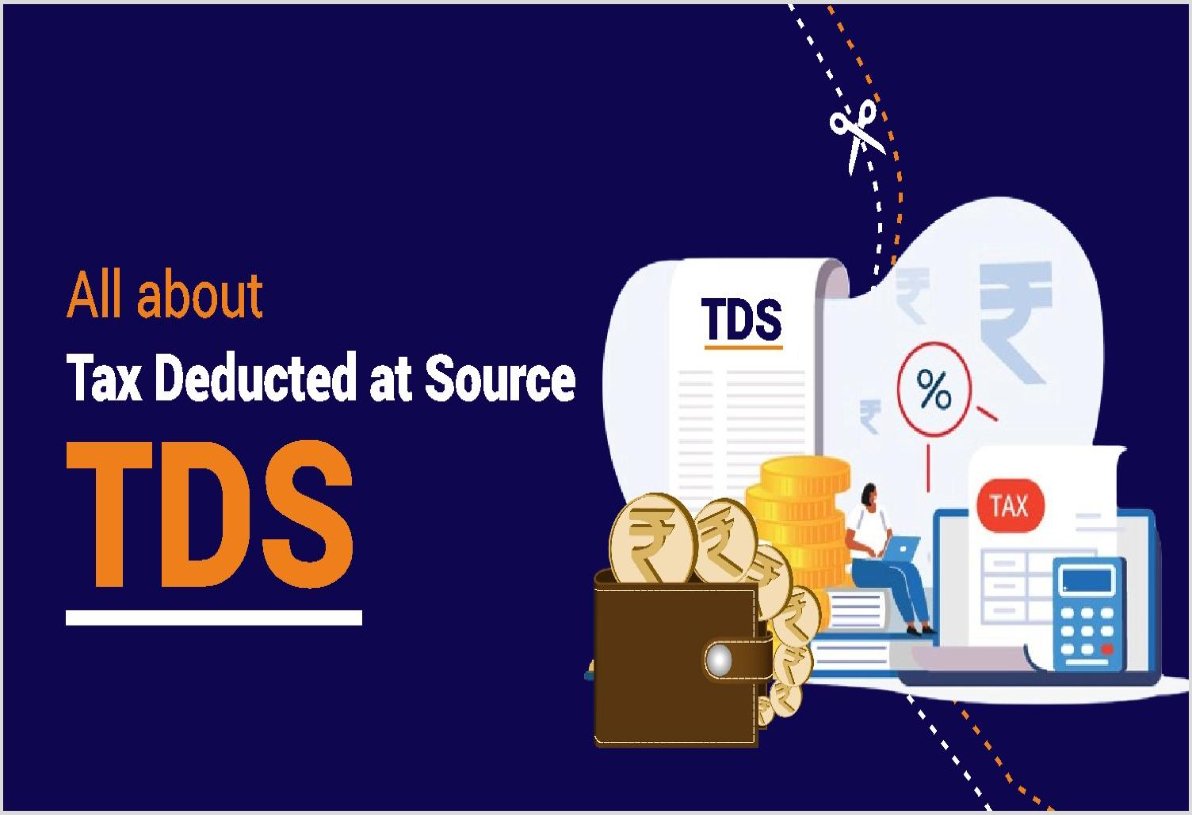
TDS Overview
Tax Deducted at Source (TDS) is a mechanism introduced under the Income Tax Act, 1961, whereby tax is deducted at the time of making specified payments such as salaries, professional fees, rent, interest, commission, and contractor payments. The deducted tax is then deposited with the government on behalf of the recipient.
TDS helps ensure a steady collection of taxes and reduces the burden of paying tax in a lump sum at the end of the financial year.
Key Features of TDS
- Tax is deducted at the source of income.
- Applicable to various types of payments as prescribed under the Income Tax Act.
- Deducted tax is deposited directly with the Income Tax Department.
- Recipients can claim credit for the TDS while filing their income tax returns.
- Promotes timely tax collection and compliance.
Benefits of TDS Compliance
- Ensures adherence to tax regulations.
- Avoids penalties, interest, and legal consequences.
- Facilitates accurate tax reporting and record keeping.
- Helps taxpayers manage their tax liabilities efficiently.
- Enhances transparency in financial transactions.
Who is Required to Deduct TDS?
- Companies and business entities
- Partnership firms and LLPs
- Government departments
- Employers making salary payments
- Individuals and professionals covered under applicable provisions
Our TDS Services
- TAN Registration Assistance
- TDS Calculation and Deduction
- Monthly Tax Deposit Support
- Quarterly TDS Return Filing
- Form 16 and Form 16A Generation
- TDS Reconciliation and Corrections
- Compliance Review and Advisory